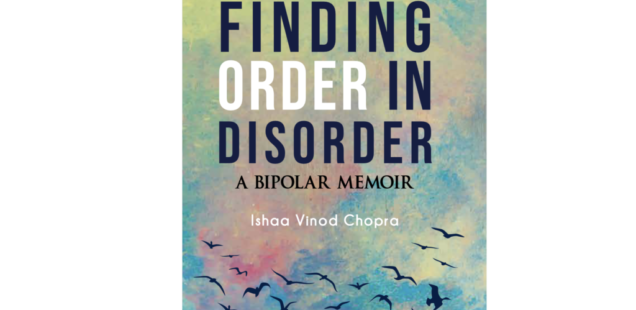
Finding Order in Disorder Book Review
Finding Order in Disorder is an introspective and chronologically dissonant memoir that situates bipolar disorder not merely as an individual mental health condition but as a lived experience shaped by intersecting structures of gender, race, class, and socio-cultural expectations. The author describes mania and depression, refusing to pathologize these states as mere illness. Instead, she frames them as complex states of being in a world that demands perpetual coherence, productivity, and emotional stability—traits historically denied to women and other marginalized people.
The memoir functions as both testimony and resistance. It illuminates how the medicalization of women’s emotions mirrors broader systems of control. The author’s experiences with diagnosis and treatment highlight how psychiatric discourse often reproduces gendered hierarchies: women’s pain is doubted, their intensity subdued, and their instability pathologized rather than understood. The text reclaims these narratives, transforming “disorder” into a site of agency, self-discovery and knowledge production. It also aims to shed light on the socio-political context of mental health by contrasting her experiences living in Germany, Canada, and India. The author marginally explores how emotion and mental health are shaped by the different systemic socio-cultural inequities present in each country, and how they highly impact an individual’s relationships and personal life.
By centering the author’s embodied experiences, the narrative situates healing as a transformative process of reclaiming voice, agency, and affective sovereignty. Ishaa’s emphasis on artistic and creative expression could function not merely as a therapeutic practice, but as a mode of epistemic resistance and self-(re)construction.
Although the memoir ambitiously seeks to engage a wide range of complex themes to highlight the multiplicity of lived experience, it would benefit from a more sustained and rigorous interrogation of the intersections among intimate partner violence, romantic relationality, mental health, and broader socio-cultural systems of power. Such an engagement would not only deepen its analytical resonance but also transform the narrative into a more comprehensive and incisive contribution to contemporary feminist literature.
Reviewed by Lidia Fourcans

Comments are closed, but trackbacks and pingbacks are open.